
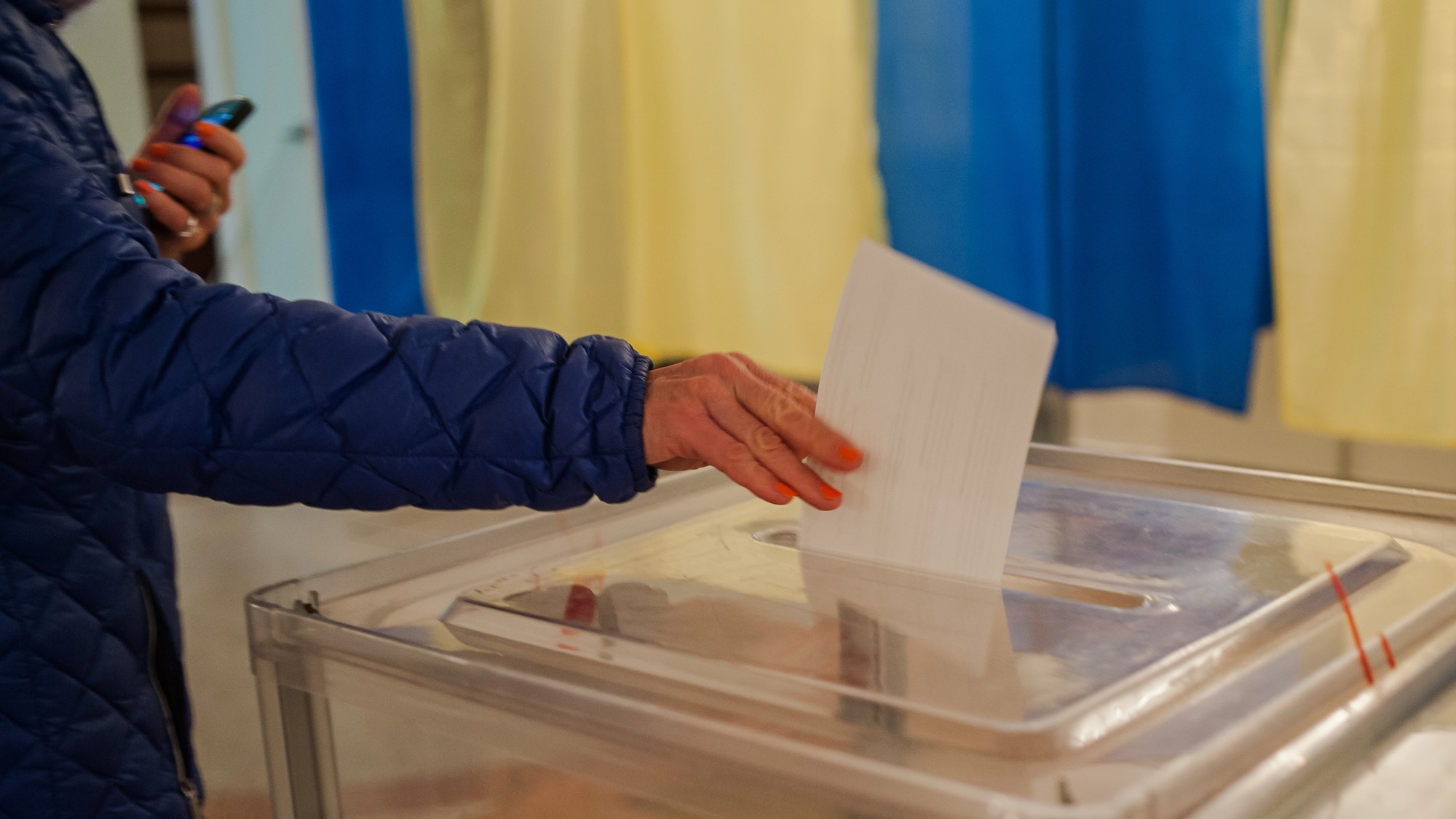
Ukraine’s Presidential Office has responded sharply to former Minister of Digital Transformation Mykhailo Fedorov’s recent statements supporting the holding of elections during the ongoing war with Russia. According to a source within the Presidential Office speaking to LIGA.net, the administration is not fundamentally opposed to conducting elections, but the primary obstacle remains ensuring adequate security conditions for voters and electoral processes across the country.
The source’s sardonic response — suggesting that proponents of wartime elections should “hold them between ballistic missile strikes” — highlights the profound logistical and safety challenges that any electoral process would face while Russian forces continue their military campaign against Ukrainian territory. This exchange underscores the growing domestic debate about democratic governance during an existential military conflict.
The Complex Legal and Constitutional Framework
Ukraine’s current situation regarding elections exists in unprecedented legal territory. Under martial law, which has been continuously extended since Russia’s full-scale invasion began in February 2022, the Ukrainian Constitution permits the suspension of electoral processes. President Volodymyr Zelensky’s term technically expired in May 2024, but constitutional provisions allow the sitting president to remain in office until martial law is lifted and new elections can be organized.
The Constitutional Court of Ukraine has yet to provide a definitive ruling on the matter, leaving the question of electoral legitimacy in a gray zone. International partners, including the United States and European Union, have generally supported Ukraine’s position that holding elections during active warfare would be impractical and potentially dangerous. However, some domestic political figures and civil society organizations have begun questioning whether indefinite postponement serves democratic principles.
Security Realities on the Ground
The practical challenges of organizing elections during an active military conflict are staggering. Millions of Ukrainians have been displaced internally or have fled abroad as refugees, with estimates suggesting over six million people remain outside the country. Organizing absentee voting for such a massive diaspora would require unprecedented logistical coordination and international cooperation.
Furthermore, significant portions of Ukrainian territory remain under Russian occupation, including parts of Donetsk, Luhansk, Zaporizhzhia, and Kherson oblasts, as well as Crimea. Any election would either need to exclude these territories — raising questions about legitimacy — or somehow incorporate their populations, which seems practically impossible under current circumstances. Daily missile and drone attacks on Ukrainian cities, including the capital Kyiv, create genuine safety concerns for any mass gatherings at polling stations.
Political Tensions and Democratic Concerns
Mykhailo Fedorov, who served as one of the youngest ministers in Ukrainian history and gained international recognition for his innovative use of technology during the war effort, represents a growing voice within Ukrainian society questioning the indefinite suspension of democratic processes. His supporters argue that democracy must function even under difficult circumstances and that prolonged postponement of elections could erode institutional legitimacy.
Critics of this position, including those within the Presidential Office, counter that any electoral process conducted under current conditions would be neither free nor fair. They point to the impossibility of campaigning while the nation fights for survival, the challenges of ensuring all citizens can participate, and the risk that electoral divisions could undermine national unity during a critical period. The debate reflects genuine tensions between democratic ideals and wartime necessities that Ukraine continues to navigate as the conflict extends into its third year.
Expert Opinion: The debate over wartime elections in Ukraine represents a fundamental tension that democracies facing existential threats have rarely had to confront at this scale. While the Presidential Office’s security concerns are legitimate, prolonged postponement of elections will increasingly require transparent communication about conditions for resumption. International observers suggest that Ukraine may need to develop innovative hybrid voting solutions — combining in-person, postal, and digital methods — to eventually restore electoral processes while the conflict continues, as a complete return to pre-war normalcy may remain elusive for years.